Pelvic Organ Prolapse (POP) Symptoms and Treatment
It is a myth that you can't have pelvic organ prolapse (POP) until after you have a baby.
POP can occur before pregnancy, during pregnancy, postpartum, during perimenopause, menopause, or any stage in between.
At Root to Bloom we believe in shutting down the stigma, listening, and validating the experiences of every body so you can receive the care you deserve.
Pelvic organ prolapse is common. About 50% of individuals who were assigned female at birth experience some degree of prolapse in their life.However, talking about it is far less common.
At Root to Bloom, we believe it’s important that you know that you don’t need to suffer alone, and you can feel better.
We also believe that knowledge is power, and it is vital to understand what POP is, how you might experience it, and what supports exist.
What is POP anyway?
The bladder (cystocele), rectum (rectocele), uterus (uterine), or small bowel (enterocele) may shift into the vaginal canal or rectal canal. Typically, you will feel a heaviness or pressure in the pelvis that increases throughout the day.
The prolapse can contribute to other pelvic floor symptoms such as:
urinary incontinence
bladder urgency
constipation
difficulty completely emptying the bowels
the need to splint the perineum for bowel movements
pain with penetration
a sensation of something being “stuck” in the vagina.
If you have reached out to friends or family to talk about your experience, you’ve probably heard:
“That’s normal after you have a baby.”
“You’re in perimenopause, these things happen.”
“I dealt with it and so did your grandmother. It’s just something that happens.”
Just because it is common does not mean that you have to suffer!
POP occurs when the muscles of the pelvic floor are unable to support the pelvic organs appropriately.
If you have been diagnosed with POP, or have symptoms you think may be POP, you have probably thought, “Do I need surgery?!”
The truth is, many people can find relief without surgery.
At Root to Bloom we help you find the root cause of your symptoms. When we know why you are experiencing POP symptoms, we can provide you with tools and strategies that can help you get back to what you love, with lasting relief, without surgery.
How does pelvic floor therapy help prolapse?
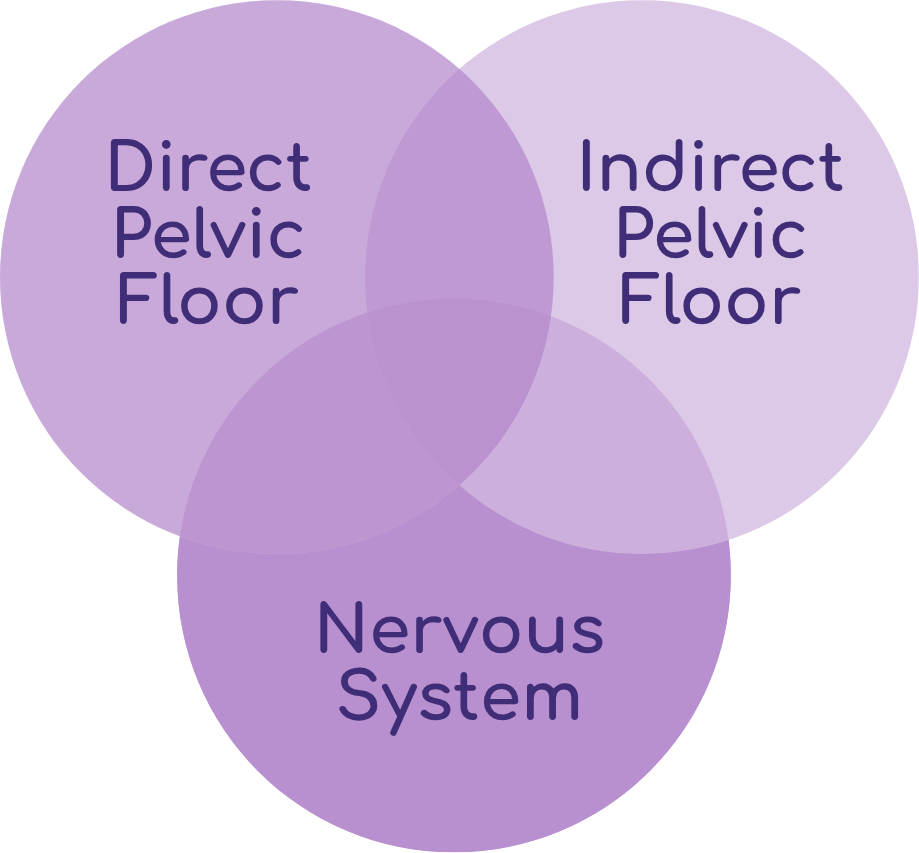
At Root to Bloom we take a full-body and full-person approach, looking not just at the pelvic floor directly, but all the factors that indirectly influence your pelvic floor.
Treatment can include:
Direct pelvic floor treatment: We work on muscle release techniques, strength and mobility exercises, and activities to incorporate at home, like wand or dilator use
Indirect pelvic floor treatment: We treat all the tissues and systems in your body that influence the pelvic floor, like the diaphragm, inner thighs, hips, abs, back, ribs, shoulders, feet, and shoulder blades.
Nervous system support: Your nervous system impacts the pelvic floor too, so we incorporate breathing strategies, vagus nerve stimulation, mindfulness, and address factors like stress and sleep.
Activity modifications and breathing strategies to help manage pressure on the pelvic floor
Education on using special prolapse support garments
Referral for a pessary for internal support
Hands-on manual therapy including soft tissue work, joint mobilizations, and dry needling to address the factors contributing to your symptoms
Exercise and movement strategies to address the factors contributing to your symptoms
Lifestyle education
This treatment can address all of the factors that may be contributing to your symptoms.
POP is nothing to be ashamed about, and you don’t have to deal with it alone. At Root to Bloom we believe in validating your story, providing education, eliminating shame, and giving you the holistic support you need and deserve so you can return to living your life without being held back by prolapse symptoms.
If you’re looking for a holistic approach to resolve your POP or other pelvic floor dysfunction, reach out here to book an evaluation at our Lynnfield, MA office.